How to Choose an Outdoor Electrical Enclosure
How to Choose an Outdoor Electrical Enclosure
Violet Gao
5/22/20261 min read
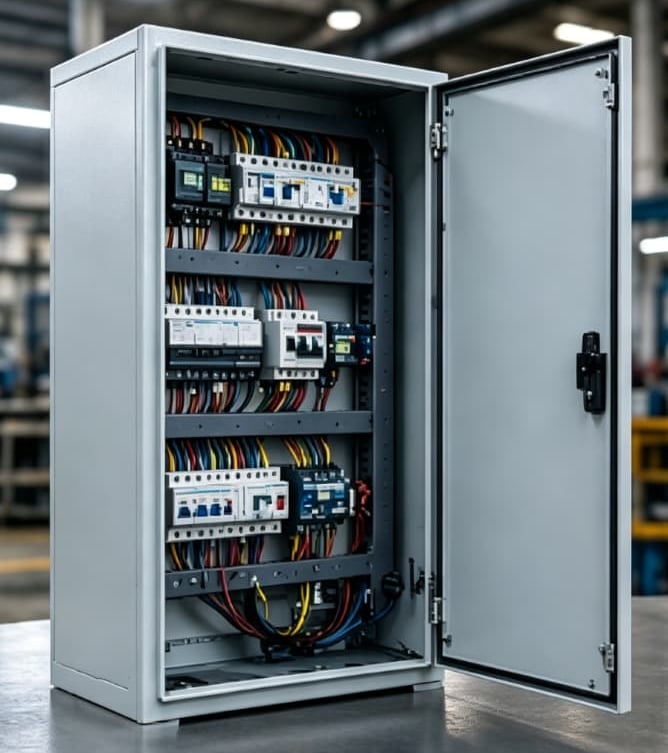
Outdoor electrical equipment is exposed to rain, dust, UV radiation, temperature fluctuations, and corrosion.
Selecting the right enclosure is critical for protecting electrical components and ensuring long-term system reliability.
This guide explains the key factors to consider when choosing an outdoor electrical enclosure.
Understand the Installation Environment
The first step is evaluating environmental conditions.
Questions to consider:
Will the enclosure be exposed to direct rain?
Is the area dusty?
Is there salt exposure?
Are chemicals present?
Will the enclosure face extreme temperatures?
Environmental conditions directly affect material and protection requirements.
Choose the Right Material
Mild Steel
Suitable for general outdoor applications when combined with high-quality powder coating.
Stainless Steel 304
Recommended for humid or washdown environments.
Stainless Steel 316
Best choice for coastal and corrosive environments.
Aluminum
Lightweight and naturally corrosion resistant.
Commonly used for telecom and utility projects.
Select an Appropriate IP Rating
Protection ratings are critical.
IP55
Basic outdoor protection.
IP65
Dust-tight and protected against water jets.
IP66
Suitable for harsh outdoor environments.
IP67
Provides temporary immersion protection.
Most outdoor industrial applications use IP65 or IP66 enclosures.
Consider NEMA Requirements
For North American projects, NEMA ratings are often specified.
Common requirements include:
NEMA 3R
NEMA 4
NEMA 4X
NEMA 6
NEMA 4X is widely used where corrosion resistance is required.
Determine Mounting Method
Outdoor enclosures are available in several configurations.
Wall Mounted Enclosures
Ideal for compact equipment installations.
Pole Mounted Cabinets
Common in telecom and monitoring systems.
Floor Standing Cabinets
Suitable for larger electrical systems.
Thermal Management
Outdoor environments often require temperature control.
Options include:
Ventilation louvers
Fan and filter systems
Air conditioners
Heat exchangers
Anti-condensation heaters
Proper thermal management extends equipment life.
Security Considerations
Outdoor installations require enhanced protection.
Common features include:
Lockable doors
Multi-point locking systems
Anti-vandal designs
Internal equipment protection
Common Outdoor Applications
Telecom Networks
Utility Infrastructure
Traffic Systems
Renewable Energy Projects
Industrial Automation
Conclusion
The best outdoor enclosure depends on:
Environment
Material
Protection Rating
Mounting Method
Thermal Requirements
Proper selection reduces maintenance costs and improves equipment reliability.
Need Help Selecting an Outdoor Enclosure?
Our engineering team can recommend the right enclosure based on your installation requirements.
Contact
Reliable steel enclosures crafted for your needs
Phone
Violet@fuleimetal.com
+86 18158549983
© 2026. All rights reserved.
Connections and Resources
ADDRESS
No 18 Zhenxing South Road, Qijiashan Street, Beilun District, Ningbo City, Zhejiang Province.
Visit our MIC store
Simply click on the icon
Safe and fast shopping with Made-in-China